ARTIFACTS. EVIDENCE. PEOPLE.
Every uniform
holds a human story.
A patch. A ribbon. A name inside a coat.
Start with what you see—and uncover the person behind it.
Visual identification. Real references. Stories grounded in evidence.
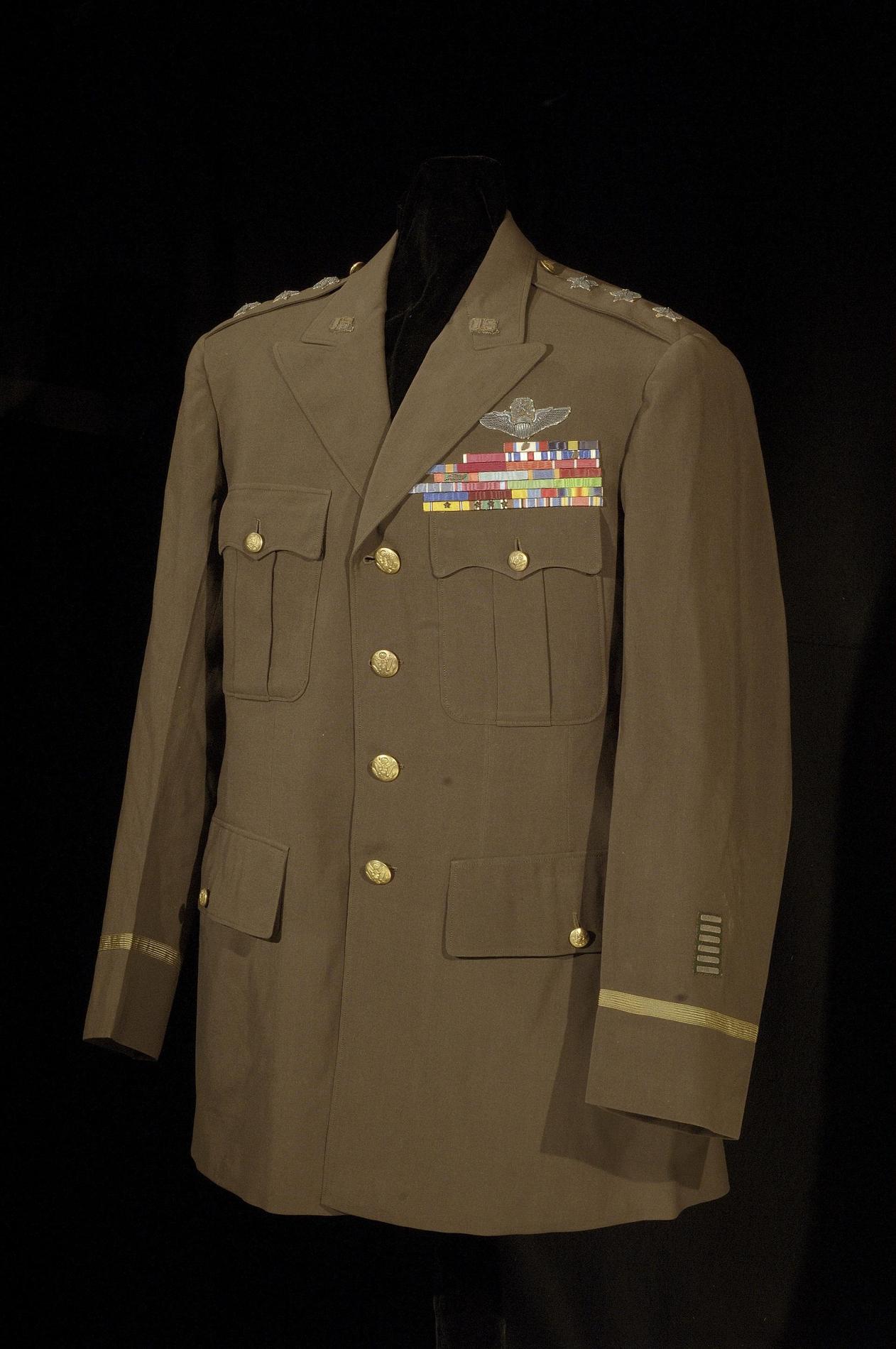
Small details.
A life beyond the label.
WHAT HAVE YOU FOUND?
Let the details lead.
You do not need to know a military term to begin. Choose the detail you can see, then compare the possibilities.
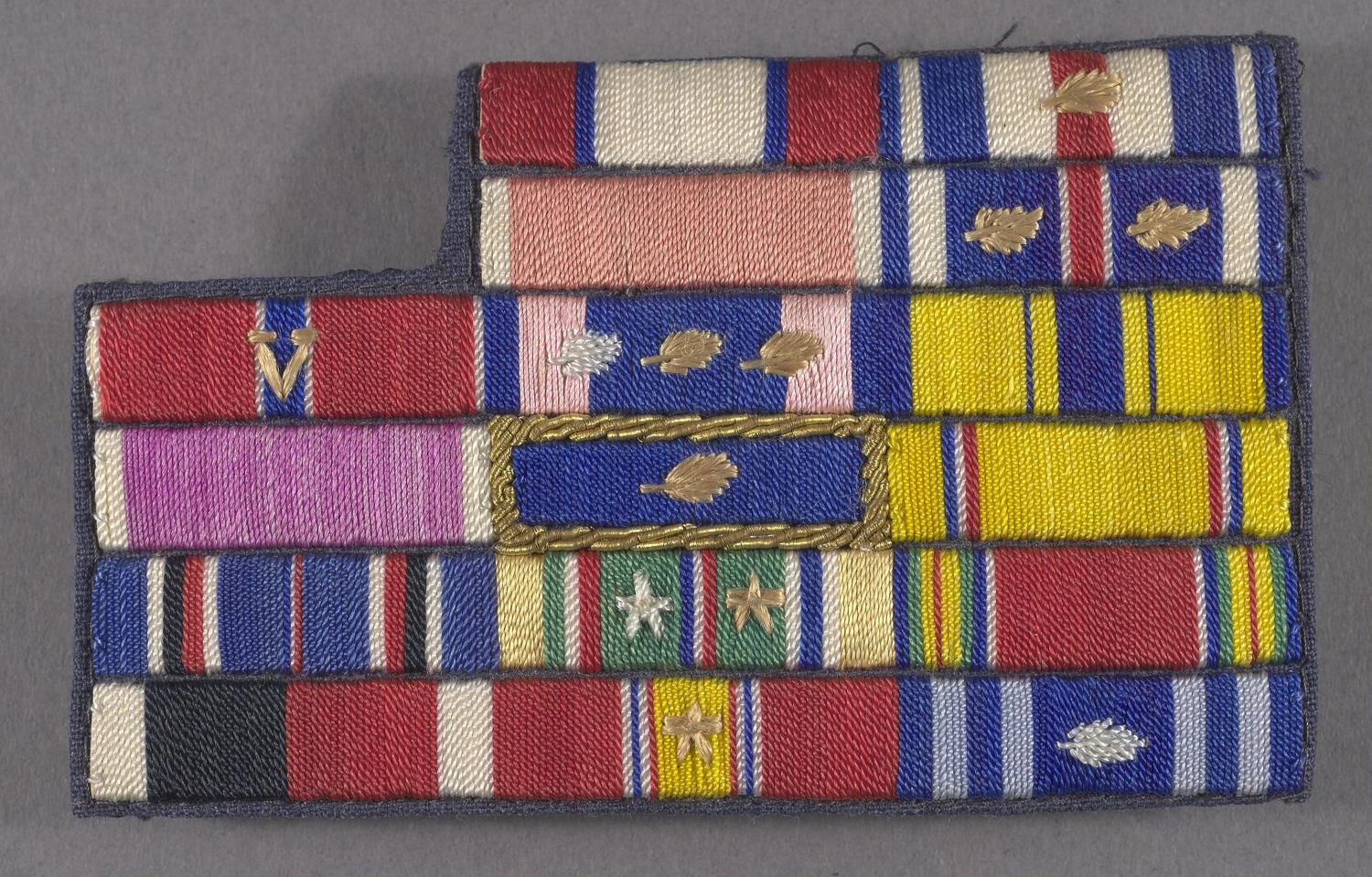
Ribbon finder
Follow the colors.
Choose colors or build a stripe sequence. Compare possible awards and learn what each one recognizes.
225 award references
Unit patch finder
Find the organization.
Narrow the possibilities by color, shape, symbols, numbers or wording. Check the design against its historical period.
325 patch references
Rank finder
Read the rank.
Compare bars, leaves, eagles, stars and stripes. Count chevrons and curved rockers, then check the service and date.
227 rank and chart references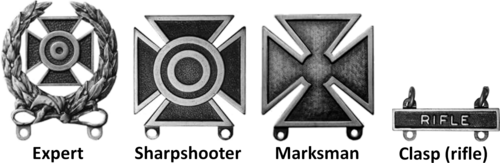
Marksmanship finder
Read the qualification.
Compare badge shapes, RIFLE and PISTOL labels, hanging weapon bars, ribbons and competition badges by service and date.
Badge and weapon-bar referencesFROM OBJECT TO PERSON
Look closely.
Make the connection.
A visual match is a starting point. The next step is finding evidence that connects the artifact to a person.
Keep the evidence in a case file →- 01
Observe
Notice color, shape, wording and location. Record what is actually there.
- 02
Compare
Use sourced pictures and dated references. Save possible matches.
- 03
Verify
Check names, service records and assignments. Separate a unit’s history from a person’s experience.
- 04
Tell the story
Bring your findings together. Cite the evidence and explain what remains unknown.
KNOW THE SERVICE?
Start with a branch.
Explore ranks, qualifications and identifying marks in their service and time period.
WHY RECLAIMED HISTORY?
History belongs
to people.
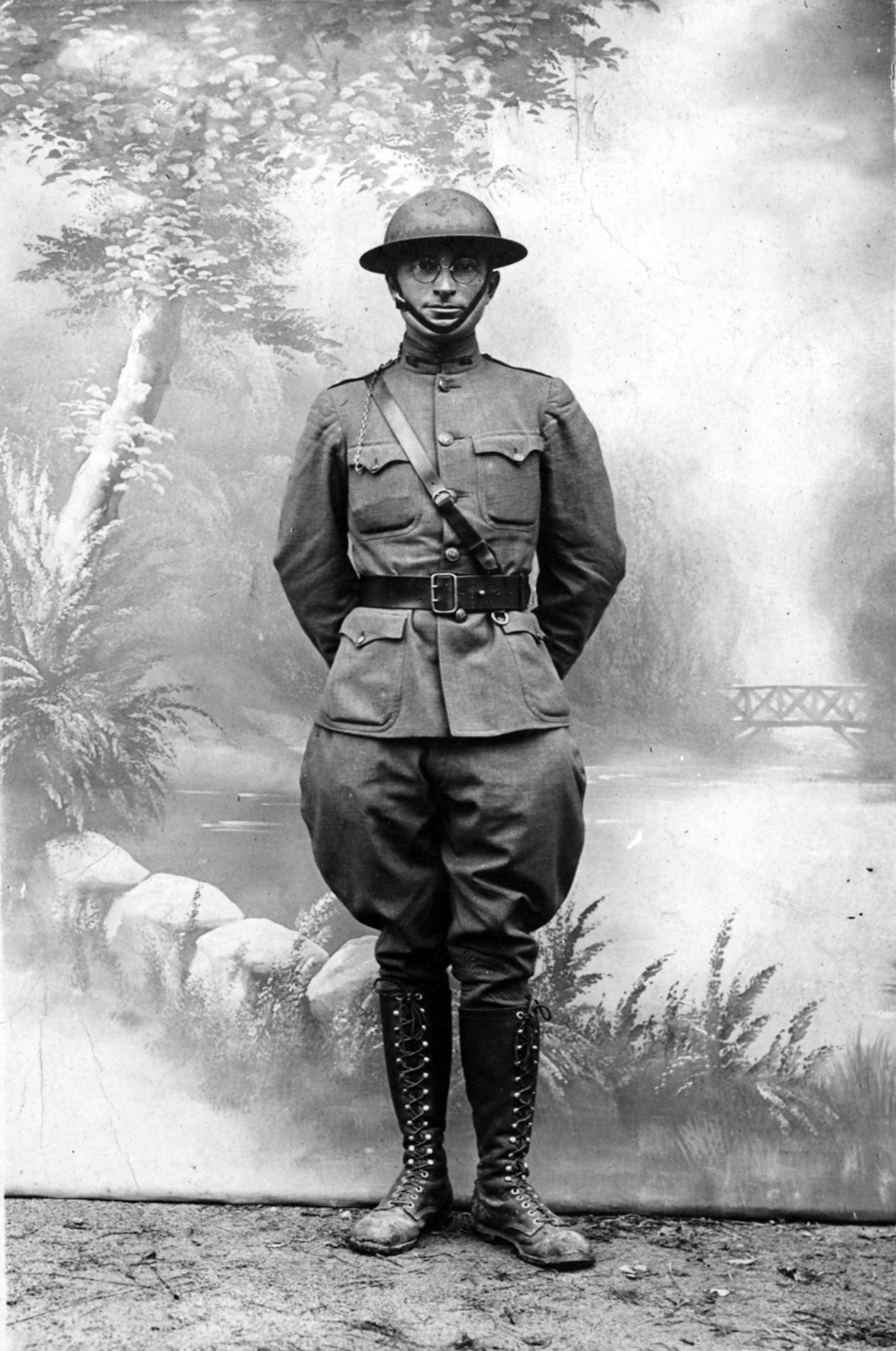
Reclaimed History helps students, families and curious researchers make sense of the objects people leave behind. It begins with military uniforms and the small details that can open a larger story.
Created by teacher Aimee Wilson, this project pairs visual tools with museum collections, government photography and historical references. The goal is to help you observe carefully, ask better questions and support the story you tell.
Explore the sources & reference library ↗About images, identification and your notes
Historical artifacts and modern comparison images are labeled in the decoder. Image credits and source links stay with their entries. A visual match does not establish personal identity, entitlement to an award, or participation in a campaign.
Case files and their images stay in this browser; download a case backup to preserve them. Decoder clues stay in the current tab until you import them into a case. Nothing is published from your case file.